


Subfossil artefacts –
A challenge for conservation and collection
Three large mammoth tusks lie in the conservation bath of the Henssen PalaeoWerkstatt, which specialises in the conservation of subfossil finds. The state of preservation is as varied as the places where they were found. The largest find was made in the Lippe near Hünxe in Germany by a private individual with a total length of 2.60 metres, the second during underground railway construction work on the Wehrhahn line in Düsseldorf and another during excavation work near Lucerne in Switzerland. What they all have in common is subfossil preservation.
What is subfossil material?
Subfossil material describes finds of deceased animals or plants, such as bones, teeth, antlers and wood, which have not yet completely decomposed or fossilised (petrified). They are therefore in an intermediate stage. This means that the organic material contained in, for example, ice-age bones has not yet or only partially decomposed or, if decomposed, has not yet been completely replaced by minerals in the bone structure. The behaviour of the organic material is comparable to that of wood, which reacts to climatic changes by swelling or shrinking. The various minerals deposited from the outside are often still present in the bones as mineral gels, which crystallise out irreversibly on drying. This then fixes the bone in places, while other areas continue to react to climatic changes. The resulting stresses destroy the bone.
What makes the conservation of animal relics so difficult?
Preserving animal relics is a particular challenge because bones, teeth and antlers naturally contain mineral components in addition to the organic materials.
This can be explained very well using the example of teeth. Teeth consist of enamel and dentine. The outer enamel consists of 95% hydroxyapatite, a crystalline material consisting mainly of calcium and phosphate. It is only slightly permeable to water-soluble substances. The underlying dentin, which makes up the main mass of the tooth, consists of only two thirds calcium and phosphate, the rest being protein and water. After death, decomposition begins, during which the substances break down at different rates. Drying causes the material to shrink depending on its water content. Ivory, for example, loses approx. 20 % of its weight through drying. This causes tension which can lead to cracks after a short time.
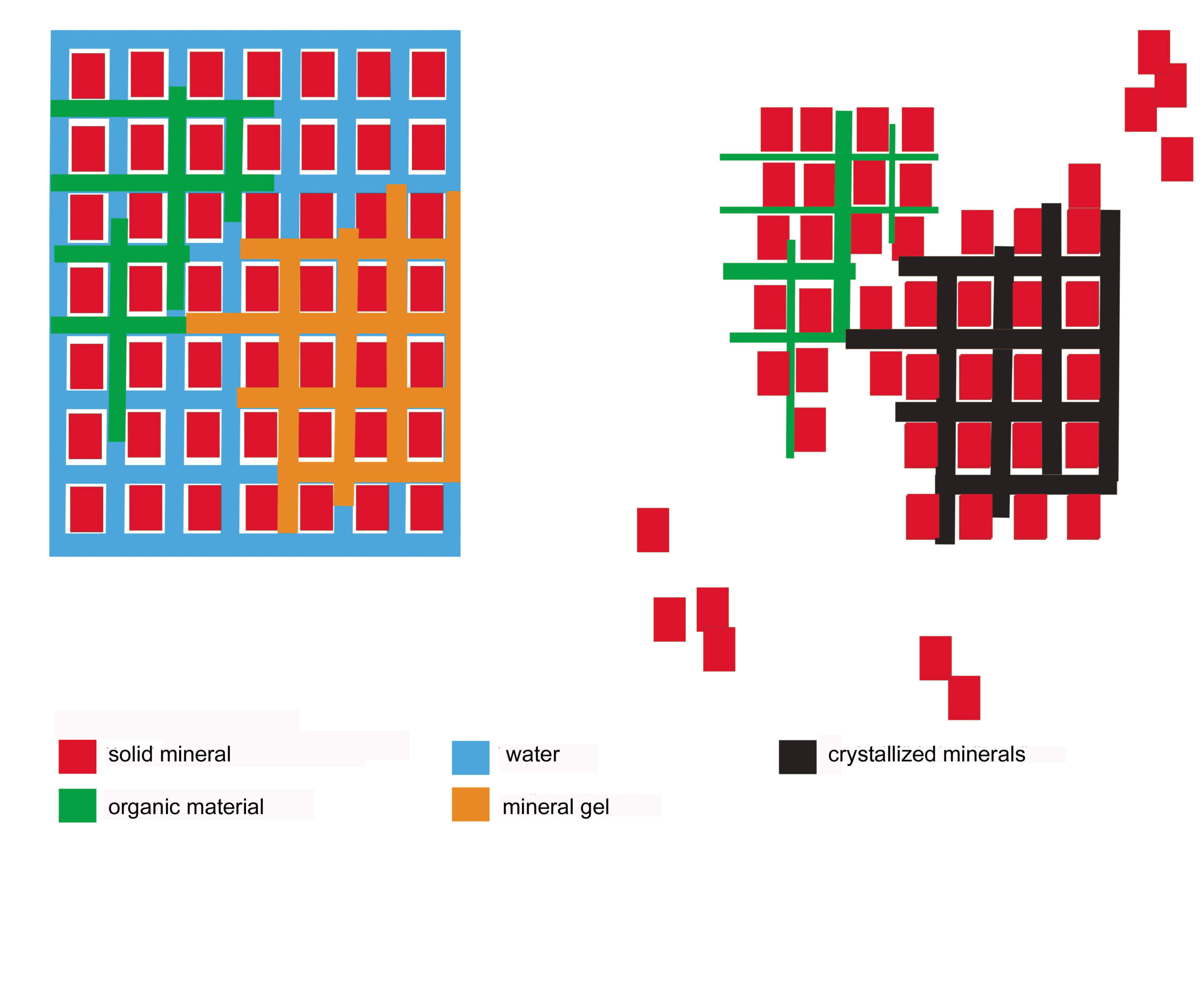
Fig . 1: Schematic representation of the conservation of subfossil ivory with loss of organic material, partial replacement by mineral gel (left) and the effects of drying (right)
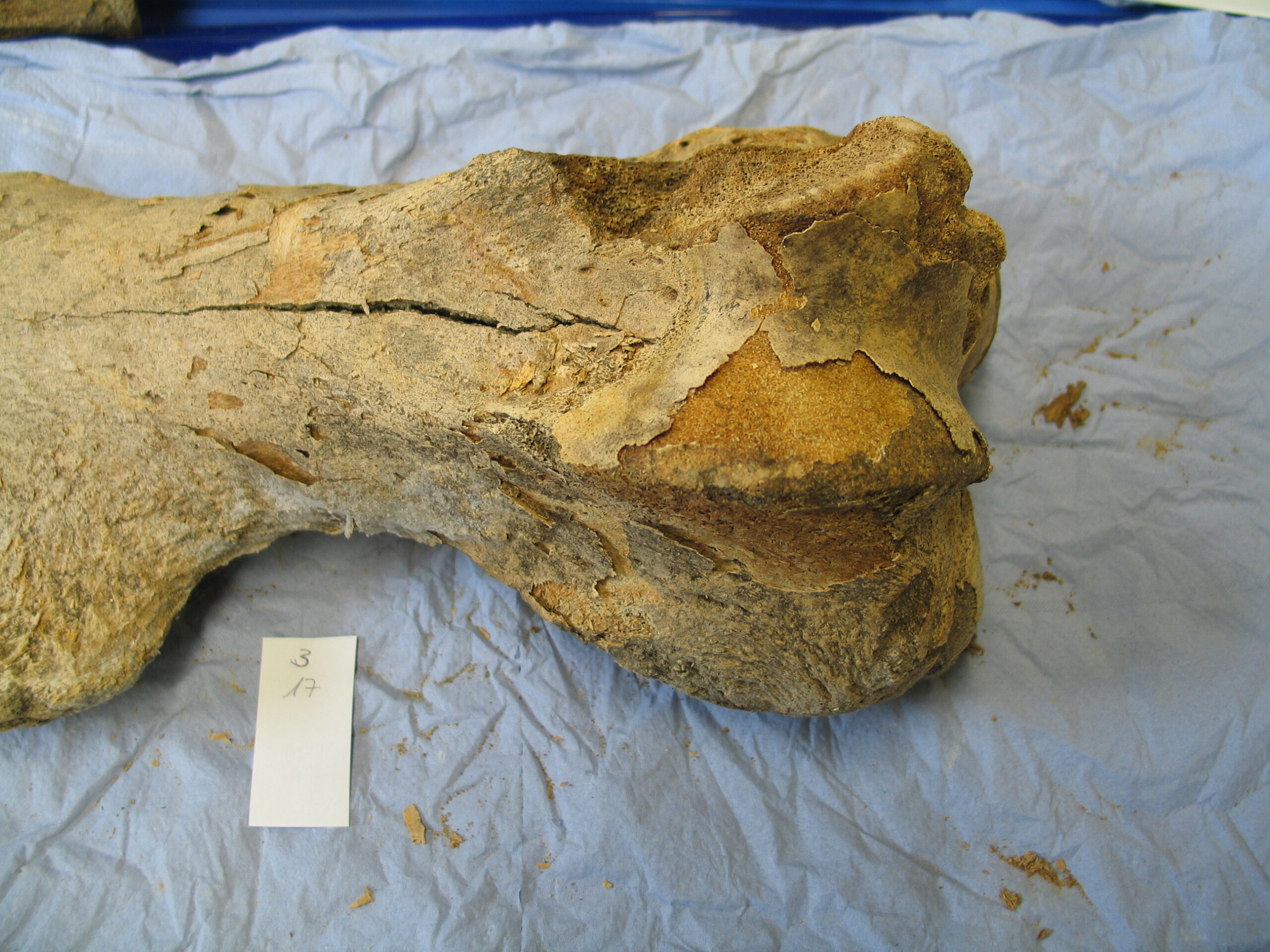
Fig. 2: Damage pattern: splitting of the surface and tearing of the bone
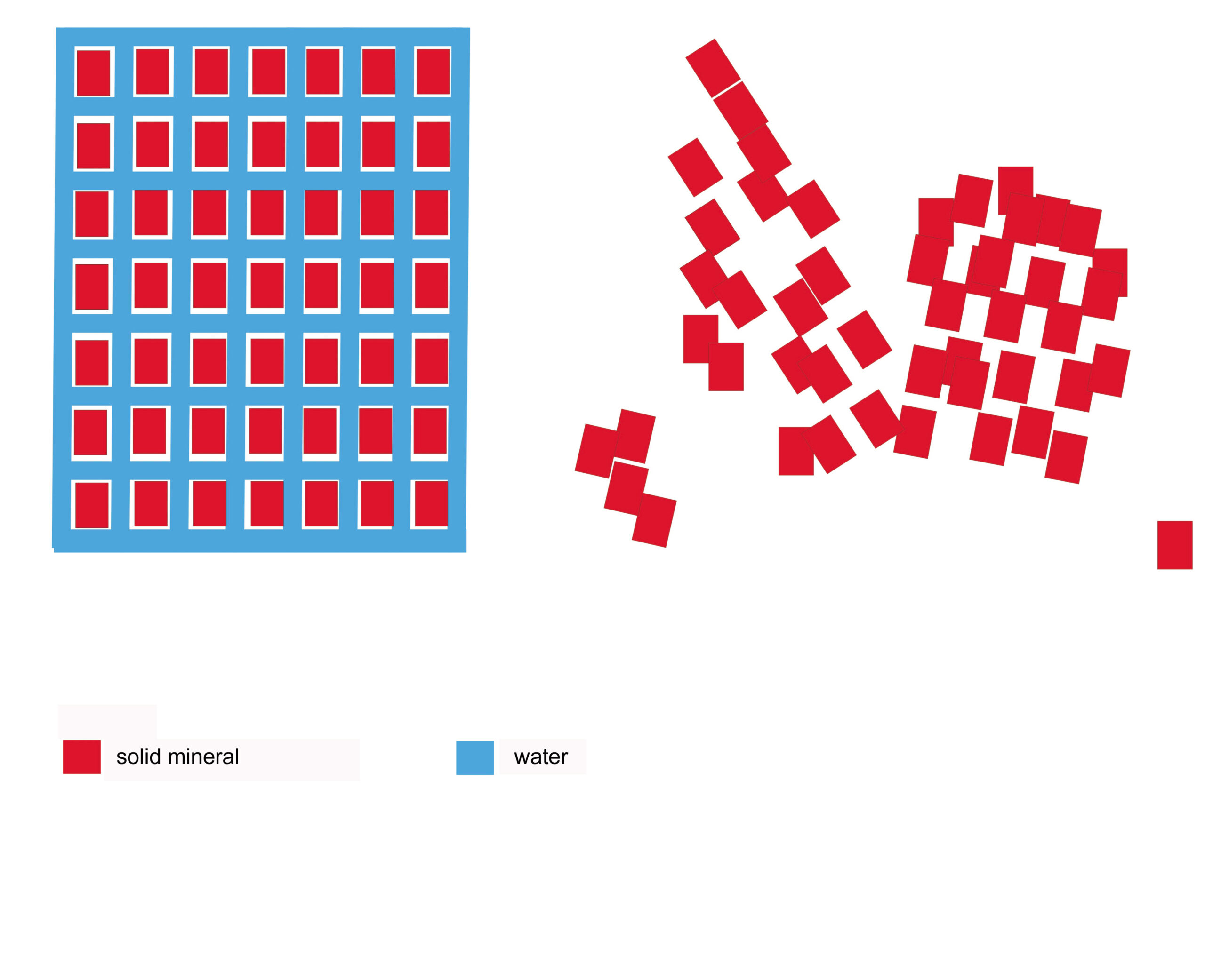
Fig. 3: Diagram showing the preservation of subfossil ivory with loss of all organic materials (left) and the effects of drying (right)
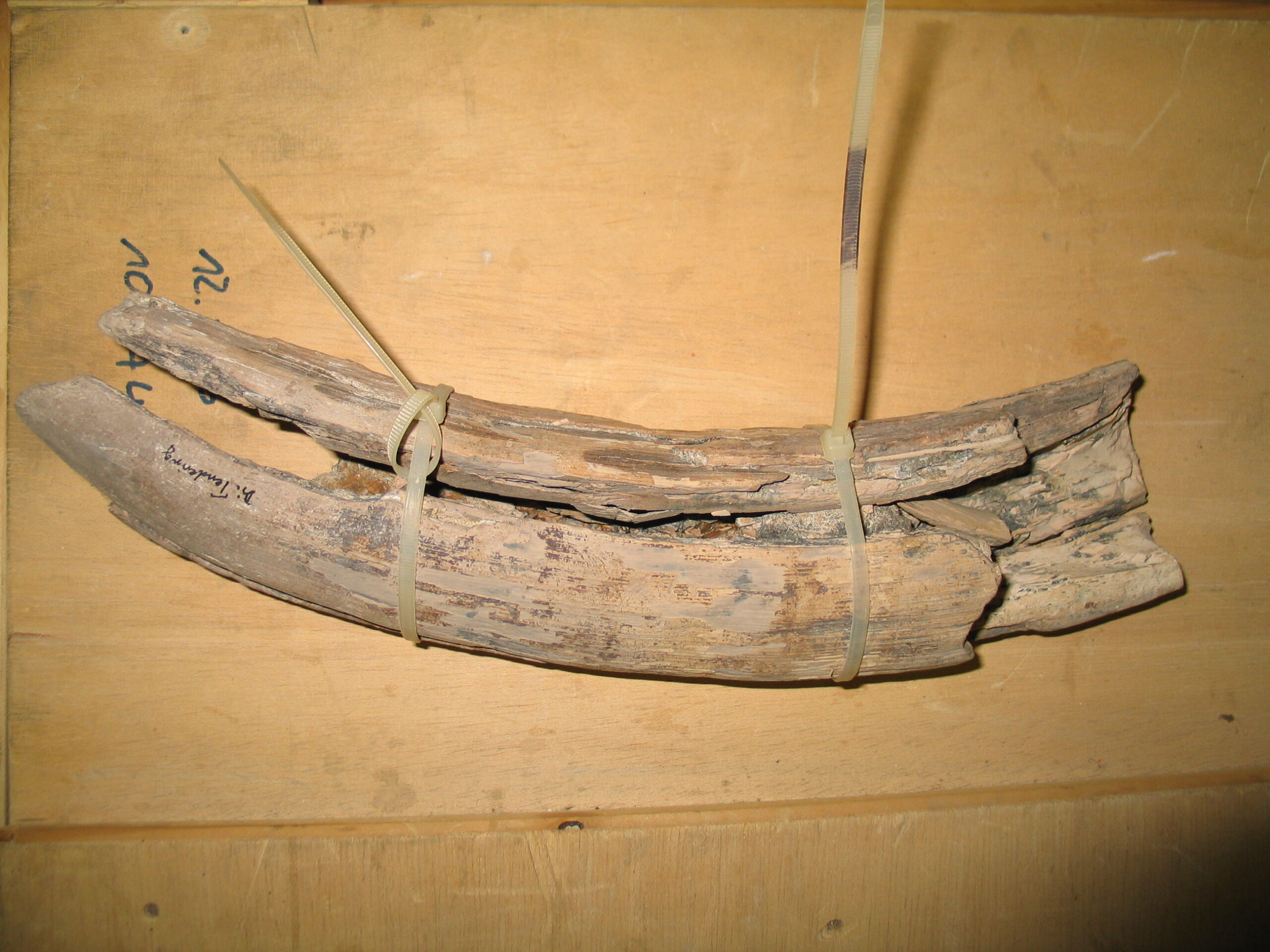
Fig. 4: Example of a decayed tusk
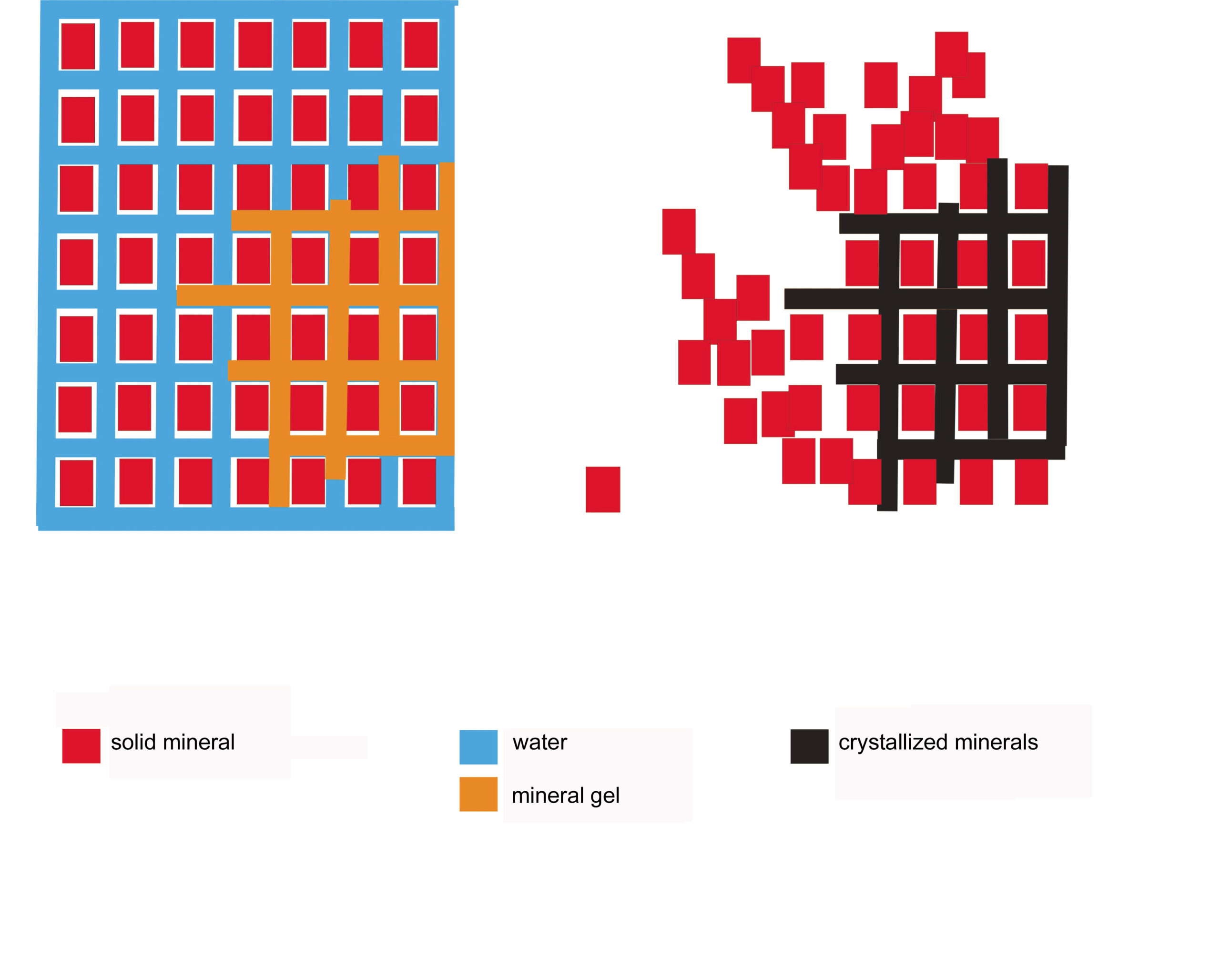
Fig. 5: Diagram showing the preservation of subfossil ivory with loss of all organic materials and replacement by mineral gel (left) and the effects of drying (right)
After the finding, special care must therefore be taken to ensure that the object cannot dry out. For this purpose, the finds should be stored in water treated with a fungicide/bactericide as a preventative measure against decay until they are conserved.
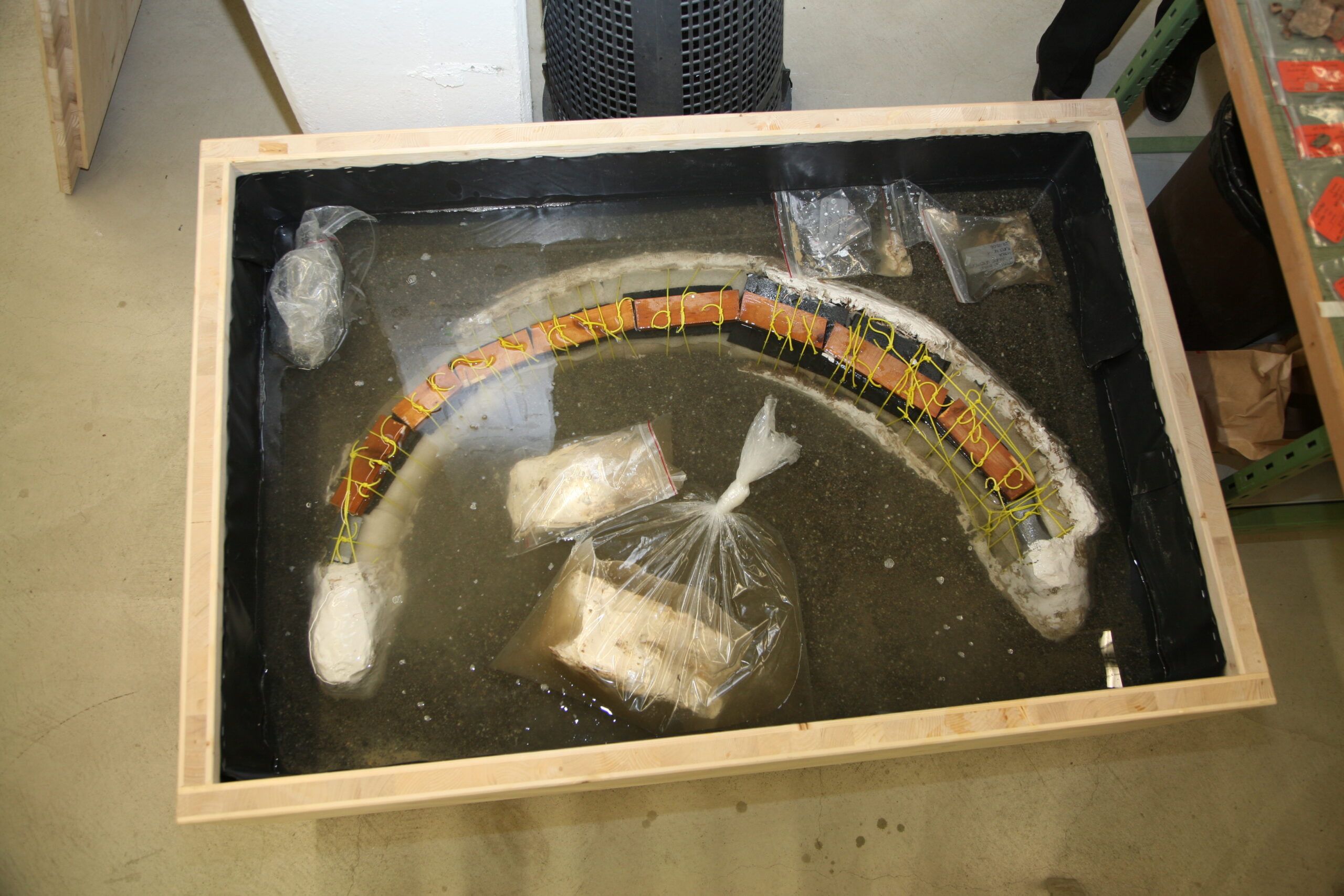
Fig. 6: New finds should always be stored wet.
Which preservation methods promise the best results?
Many methods have been tried in the past, with more or less good results. When examining ‘old’ specimens, it is noticeable that both the epoxy resin-soaked bones and the PEG-soaked bones have so far shown no damage. Also, some untreated bones are unchanged, while other bones from the same site have completely disintegrated. In any case, impregnation and not just superficial treatment of the fossils appears to be important.
Methods such as slow drying or freeze-drying have proved to be too risky for the preservation of subfossil bone material, as some finds do not decompose, while others decompose immediately or only later, which cannot be ruled out in advance. Nitrocellulose lacquers, shellac, acrylates such as polyvinyl acetates and polyvinyl butyrals only provide superficial consolidation.
The solvents they contain volatilise and dry out the find even faster due to their hygroscopicity. The varnish shrinks and forms a film on the surface which causes additional stress to the original. In addition, their degradation products, such as acetic acid from polyvinyl acetates, damage the material in the future. Dipping or vacuuming does not improve the result here either; varnishes simply have the wrong material properties. I would particularly like to warn against treatment with wood glue, which is often used by museums and private collectors because it is so simple and inexpensive.
Wood glues are water dispersions of polyvinyl acetates. Wood glue is produced for bonding thin layers of recent wood and reacts flexibly to the wood’s reaction to climatic fluctuations; it intentionally does not provide a barrier against climatic fluctuations and therefore does not protect a bone from drying out! Immersing already dried artefacts in aqueous solutions harbours a great risk, which increases the longer the object remains in the immersion bath. Brief immersion only results in a superficial coating, gaps are insufficiently filled or only coated with a kind of varnish wallpaper. It dries very slowly in thick layers and, once dry, can no longer be removed from the object. Over time, the wood glue layer turns a yellowish colour, a clear sign of decomposition. Wood glue often hinders or even prevents restoration at a later date.
Preservation with a sugar solution is known from the preservation of wood from archaeological finds, but the method is unsuitable for fossils that have a mineral content and are older than 10.000 years. The method used in wood preservation with polyethylene glycol does not lead to the desired result with subfossil material. It is content with a relatively low concentration in the original find and ends with drying, which is often achieved by freeze-drying and can then still cause stress cracks in the bone material.
What alternatives are there?
With the aim of replacing the water in the still moist finds with a substance that does not shrink or hardly shrinks at all and thus strengthens the finds and minimises the risk of dry cracks, several experiments were started back in the 1980s. Samples of a tusk were preserved using various conservation methods in order to compare the results. The sections that were preserved with polyethylene glycol (PEG) and plastics are still in perfect condition today. In contrast, the other sections that were treated with known varnishes such as polyvinyl acetate, wood glue or pure drying have disintegrated.1)
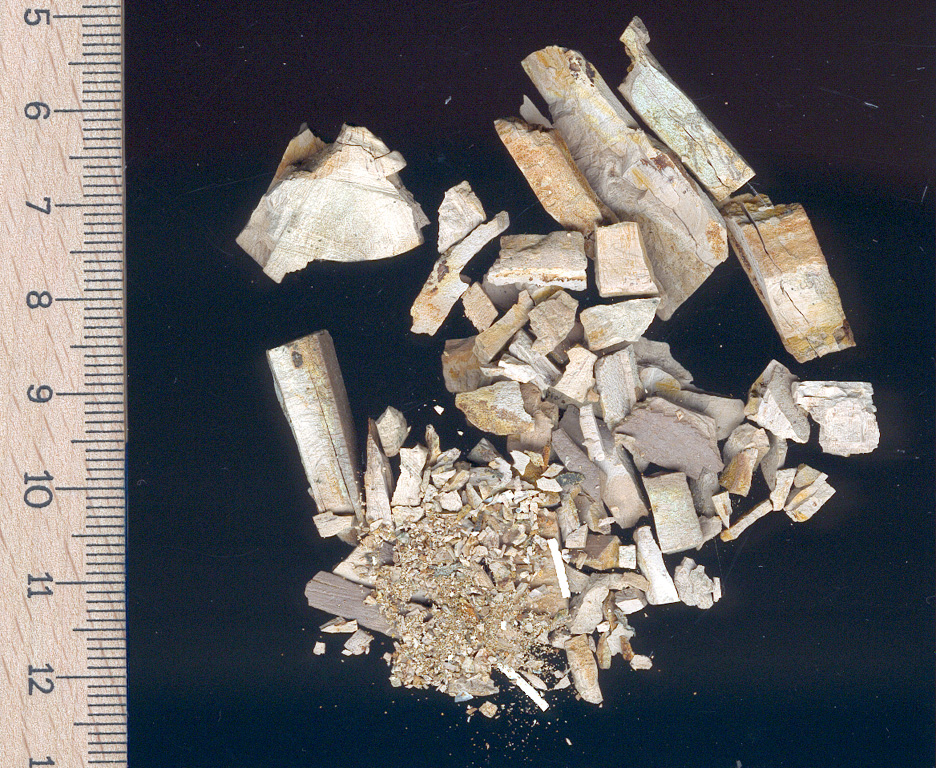
Test result of slow drying of mammoth ivory
A fresh find of mammoth ivory was left to dry slowly. The specimen disintegrates completely. Photo and preparator Martin Walders.
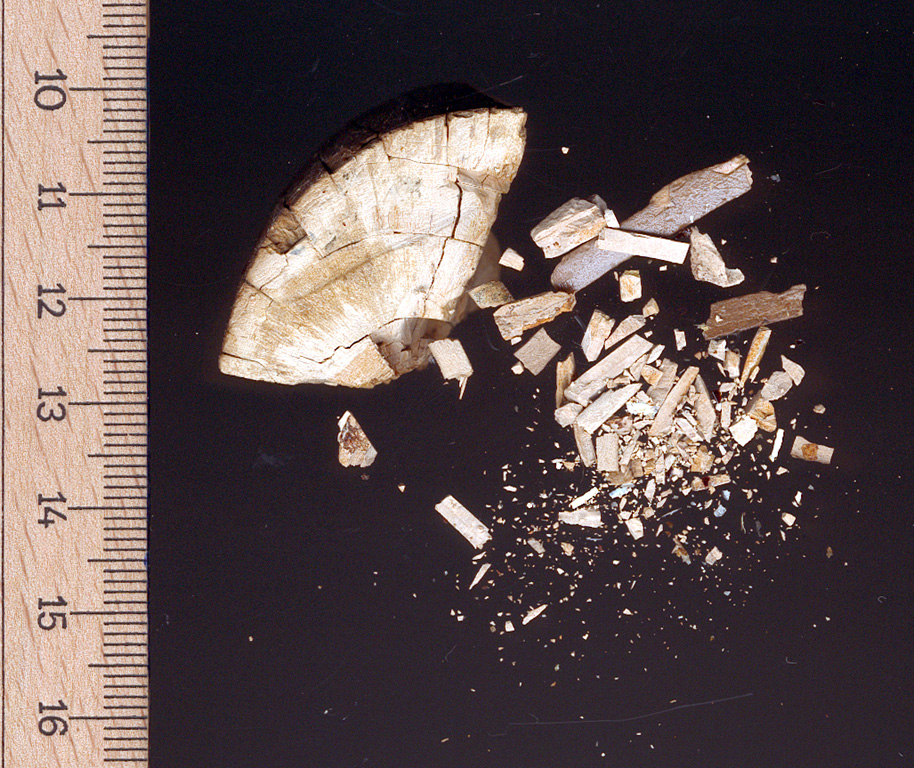
Test Result: Preservation of mammoth ivory with polyvinyl acetate
Experimental result: The polyvinyl acetate dissolved in solvent further dries out the ivory and does not prevent its deterioration. Photo and specimen prepared by Martin Walders.
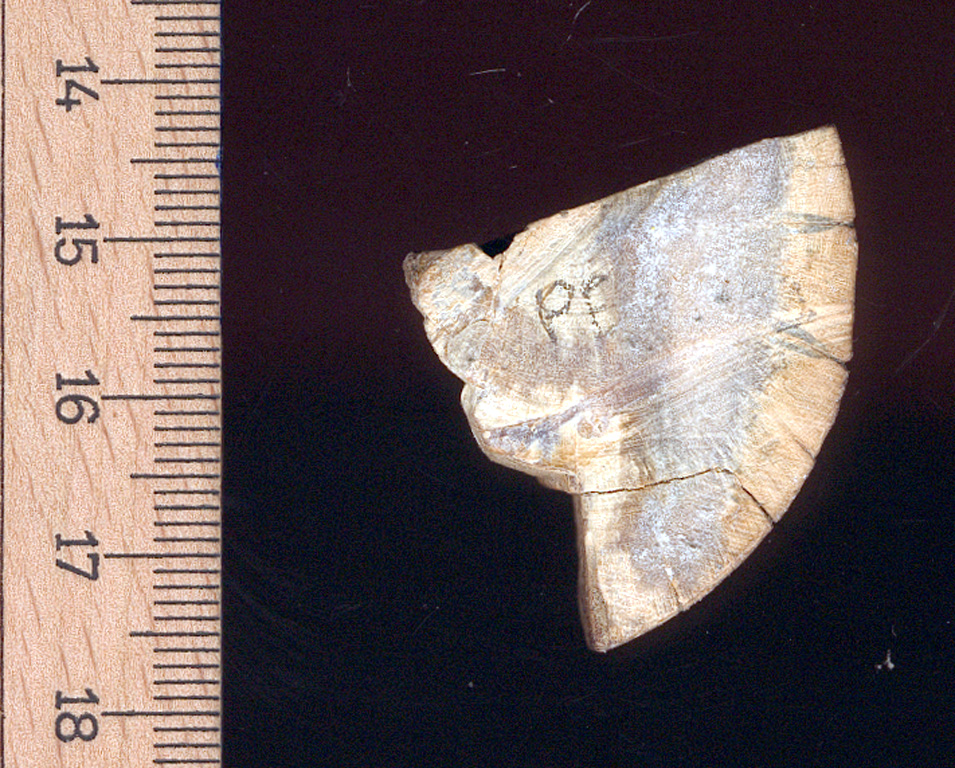
Test result: Preservation of mammoth ivory with polyethylene glycol (PEG)
The preservation of fresh finds of mammoth ivory with PEG shows the best results since the 1980s. Photo and preparator Martin Walders.
The question of which material should be favoured for impregnation: plastic or PEG, can only be determined on the find itself. Preservation with PEG is preferable for finds that are still moist, as the risk of drying can then be avoided. Dried finds can only be soaked again with great risk, as this can cause further stresses.
Nevertheless, PEG has a decisive advantage over plastic. It diffuses into the cells and can thus penetrate further. It is reversible and, unlike plastic, can be replaced. In addition, deformed finds (especially antlers) can be reprocessed.
The advantages of removing fossils from the risk of drying mean that I always treat new, i.e. moist finds with PEG.
In PEG impregnation, the still moist fossils are placed in a PEG solution, the concentration of which is slowly increased over a period of approx. 1.5 years.
In contrast to the familiar method of preserving wood, the bath is heated so that a much higher final concentration can be achieved in the fossil. Once the concentration is close to 100%, the fossil is removed and slowly cooled. The surface is cleaned, leaving the object with a matt, mountain-moist lustre that reacts much less to climatic fluctuations and is therefore suitable for display.
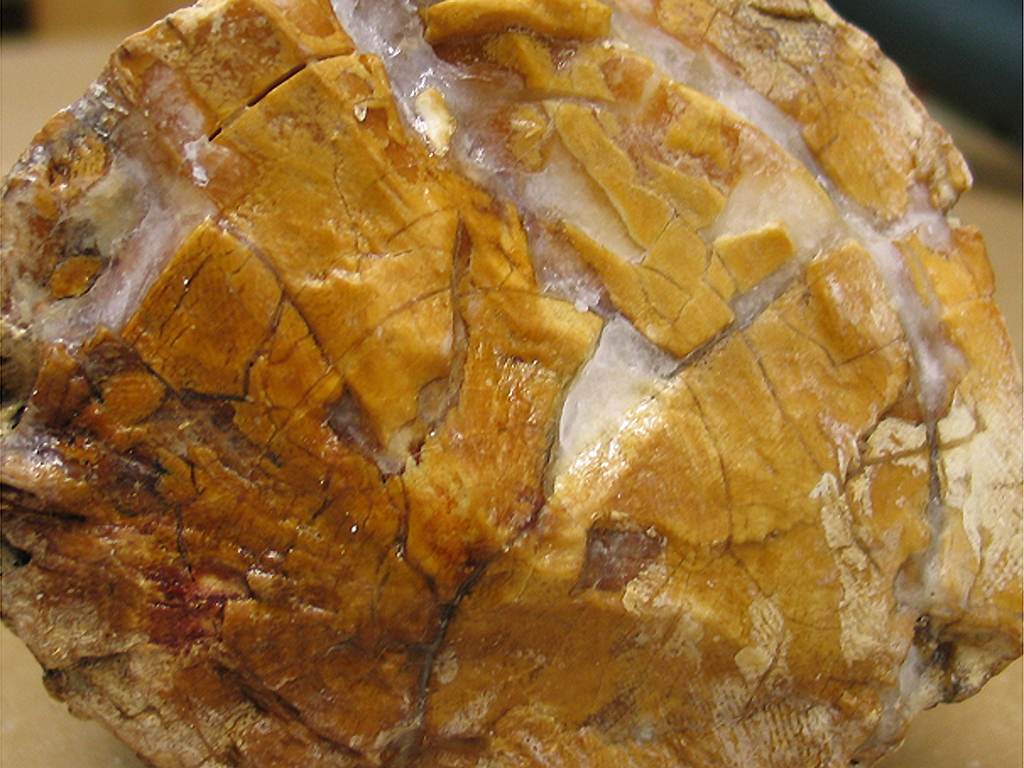
Fig.10: Cross-section of a tusk preserved with polyethylene glycol (PEG)
The white PEG fills the gaps and cracks and replaces the water in the ivory. Once the wax has solidified, the risk of stress cracks is greatly minimised.
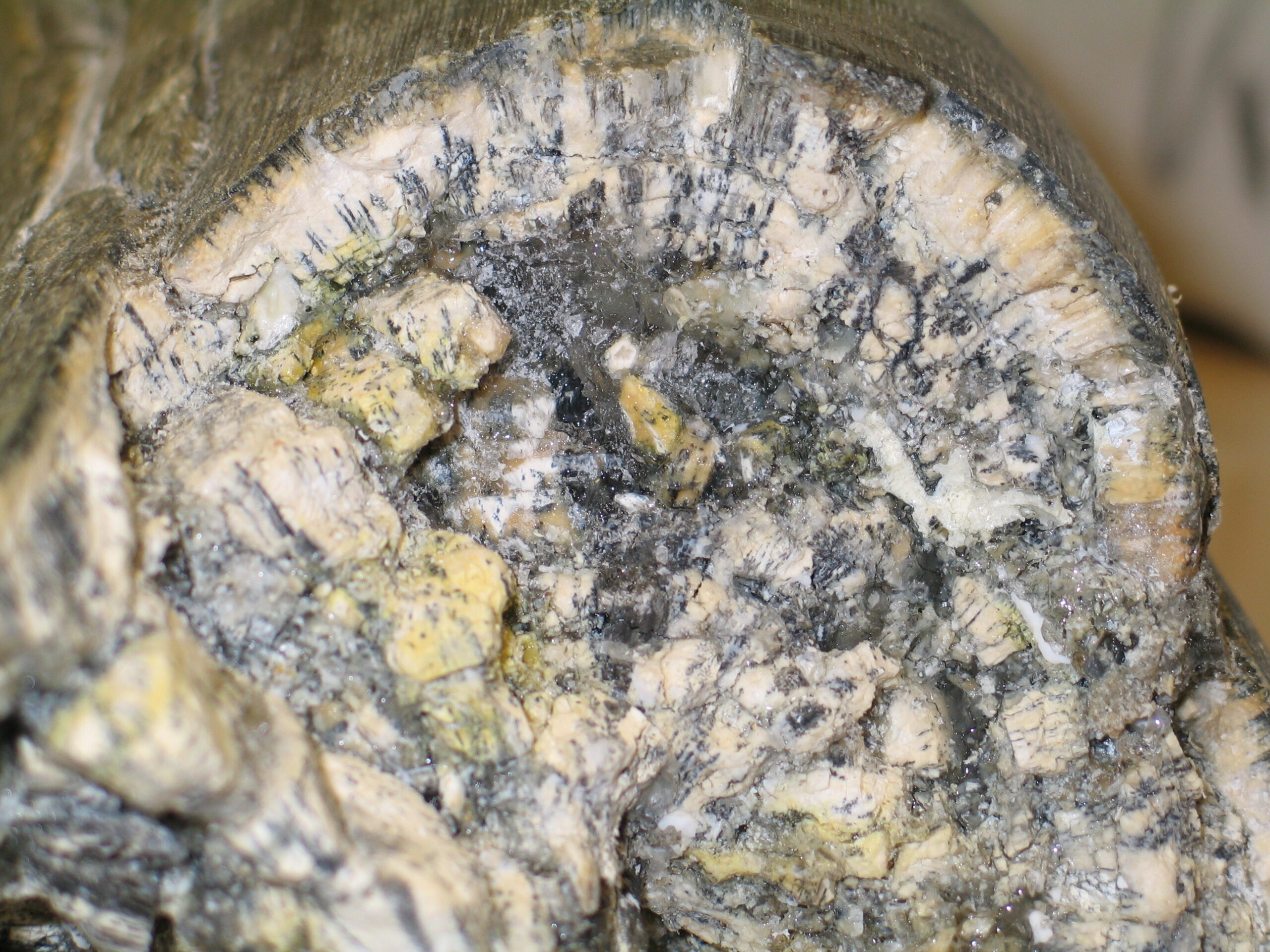
Fig. 11: Cross-section of a mammoth tusk after restoration
The tusk showed severe stress cracks after drying and was impregnated with plastic. The transparent plastic fills all cracks and cavities and protects the find from breaking.
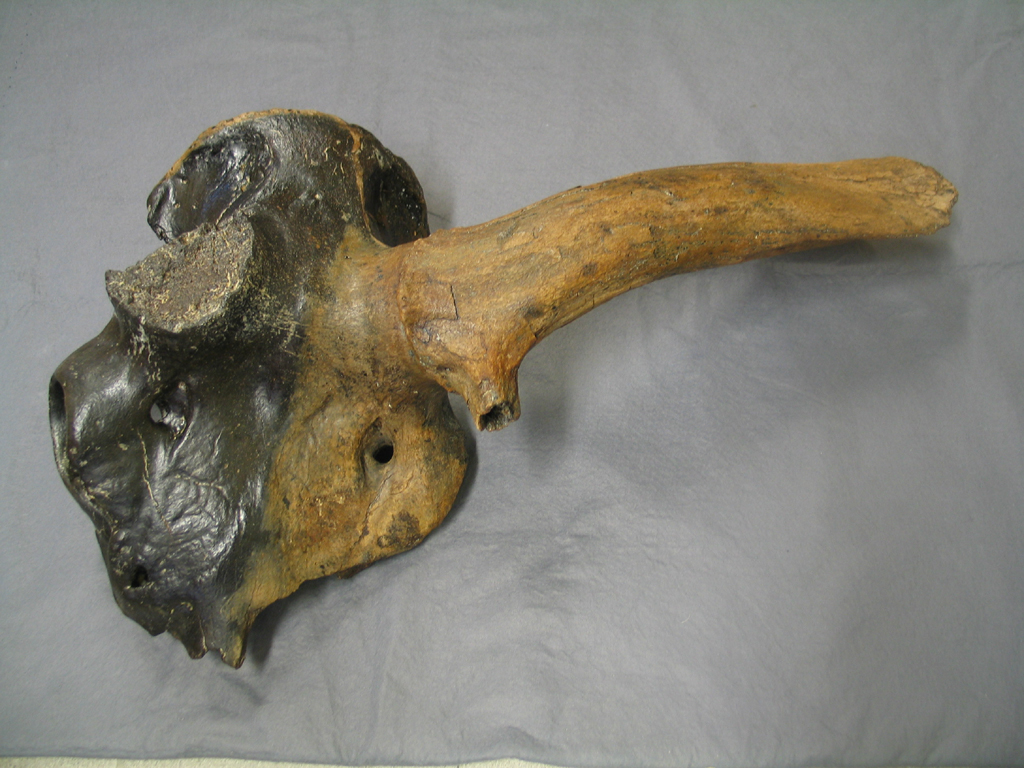
Fig. 12: Skull Fragment of Megaloceros. Result after preservation with polyethylene glycol. Right side of the skull before final cleaning, left side after final cleaning.
Dental findings that have already been dried can no be treated with PEG. Transferring them back into an aqueous solution and swelling parts of them could cause additional stress damage. The only thing that can be done here is to maintain the actual condition. Injection resins in particular have proven to be very promising here, as they are flexibly adapted to the original material, which reacts to climatic changes. The synthetic resin is thinner than water and penetrates and fills all cracks, fissures and porous material. To do this, the fossil is completely saturated. Dried bone or antler finds can be preserved with PEG if necessary, but the risk should be weighed against the benefit. It is possible to return split antler material or bone fragments deformed by drying to their original state. Careful swelling can restore them to their pre-drying state. After a subsequent PEG impregnation, the original shape is then largely retained, so that antler finds become an attractive exhibit again or bone fragments fit into the skeletal structure.
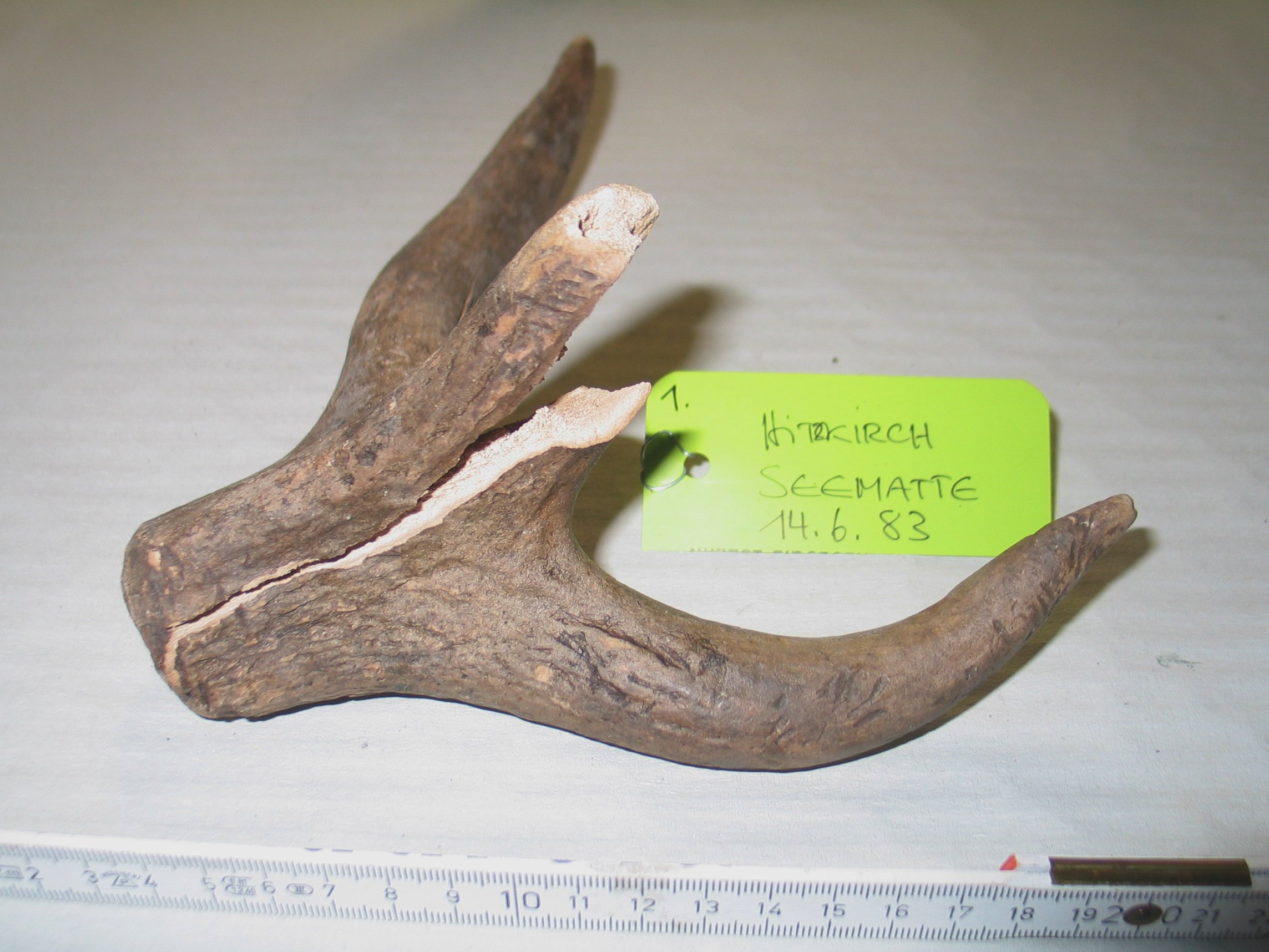
Deer antler fragment dried with clear cracking.
Subfossil antlers have a high water-containing collagen content and often shrink considerably during drying, which leads to cracking.
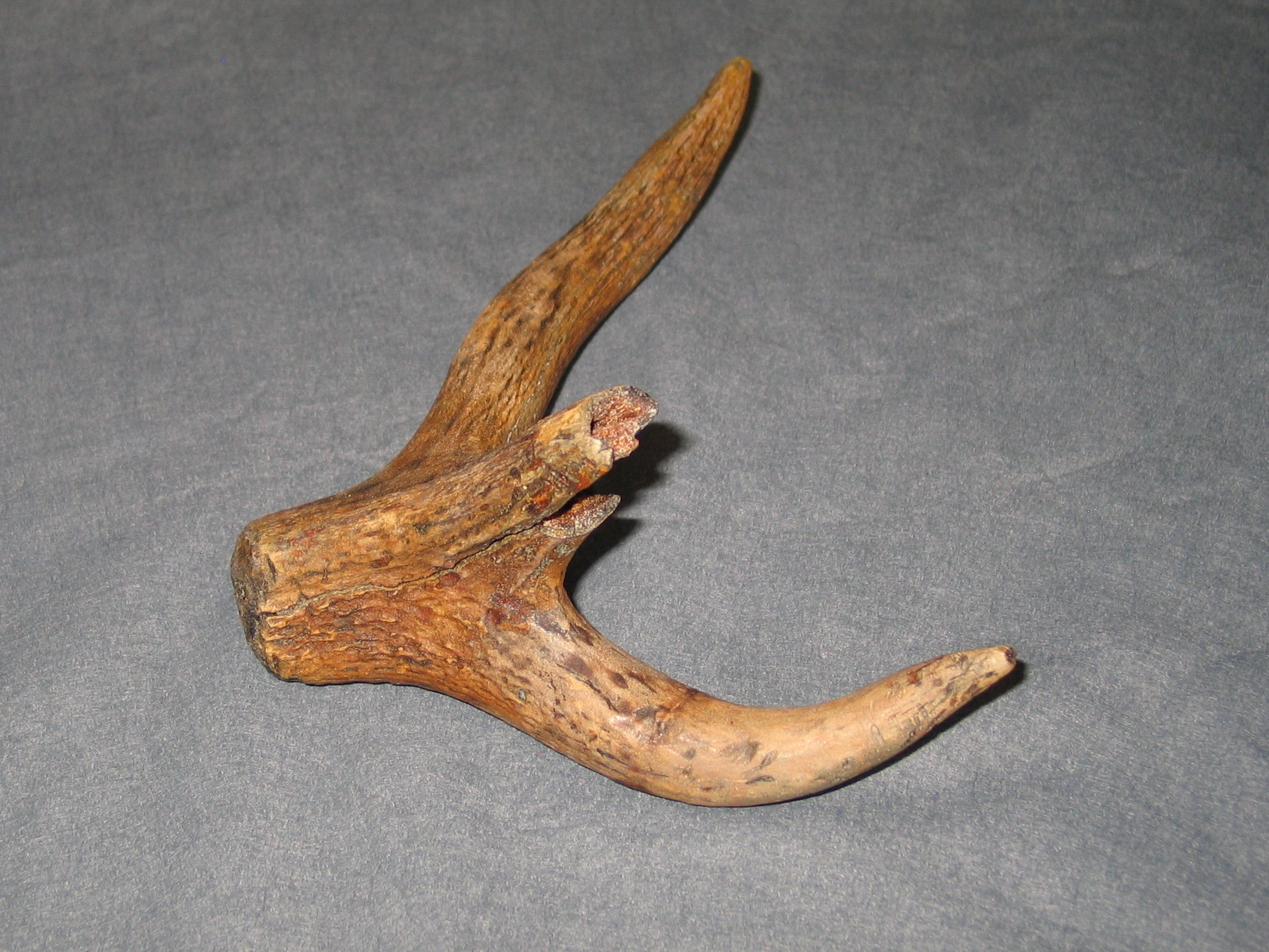
Restoration result of the deer antler fragment
The cracks in the deer antler fragment have closed and are thus fixed after conservation with polyethylene glycol. New drying damage will no longer occur.
The restoration of objects that have already been treated can be difficult, depending on the conservation materials used. The mix of materials alone poses a problem for successful long-term conservation. If possible, one should restrict oneself to one material in order to limit interactions between the materials and with the original. Old finds contain just about anything you can imagine: from various plastics, mortars, polyurethane foams, plaster, glues and reinforcing materials such as wood, metal, pieces of plastic and rods, even crown corks can be found to fill gaps. Once the old consolidant has been removed, the find can then be consolidated as it is. If necessary, a final impregnation with plastic is recommended to fill the existing cracks.
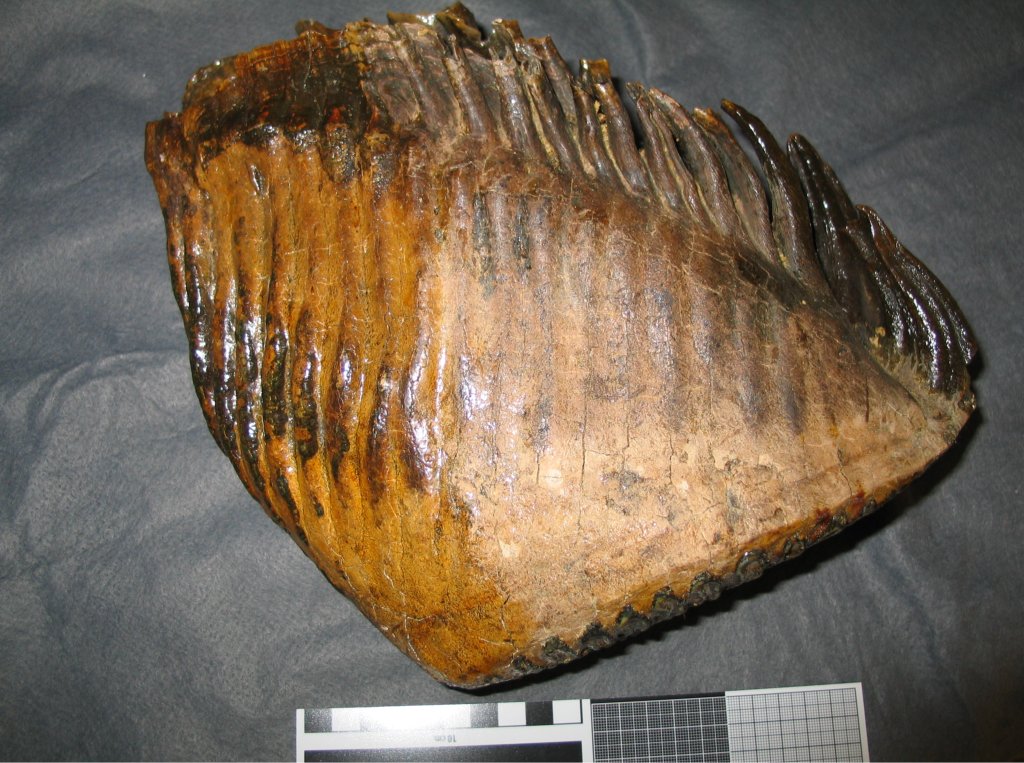
Mammoth molar during restoration
The glossy, honey-yellow shellac is being removed from the original. The original color of the mammoth molar is already visible again on the right side.
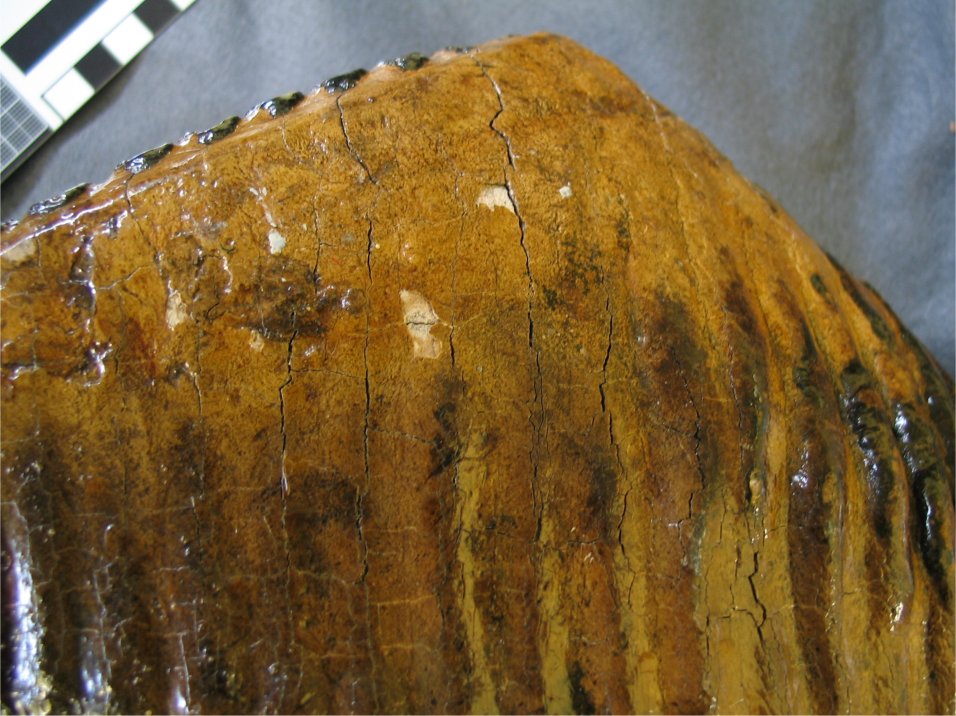
Damage to the surface of a mammoth molar caused by shellac varnish
Shellac was used for decades to coat fossils and is now responsible for many of the damages seen today.
Ice Age fossils in collections and exhibitions
Storage and cleaning
As a general rule, all subfossil fossils should always be kept under climate control (15°C and 60% relative humidity would be ideal). The finds should be cleaned dry. In the case of PEG preservation, wet cleaning is out of the question because it is water-soluble. PEG-preserved fossils must not be exposed to any source of heat, be it heating, sunlight or exhibition lighting. Dark spots will appear on the surface due to the “oozing” PEG. They can certainly be removed, but it also removes the preservation from the fossil. UV light protection should be standard.
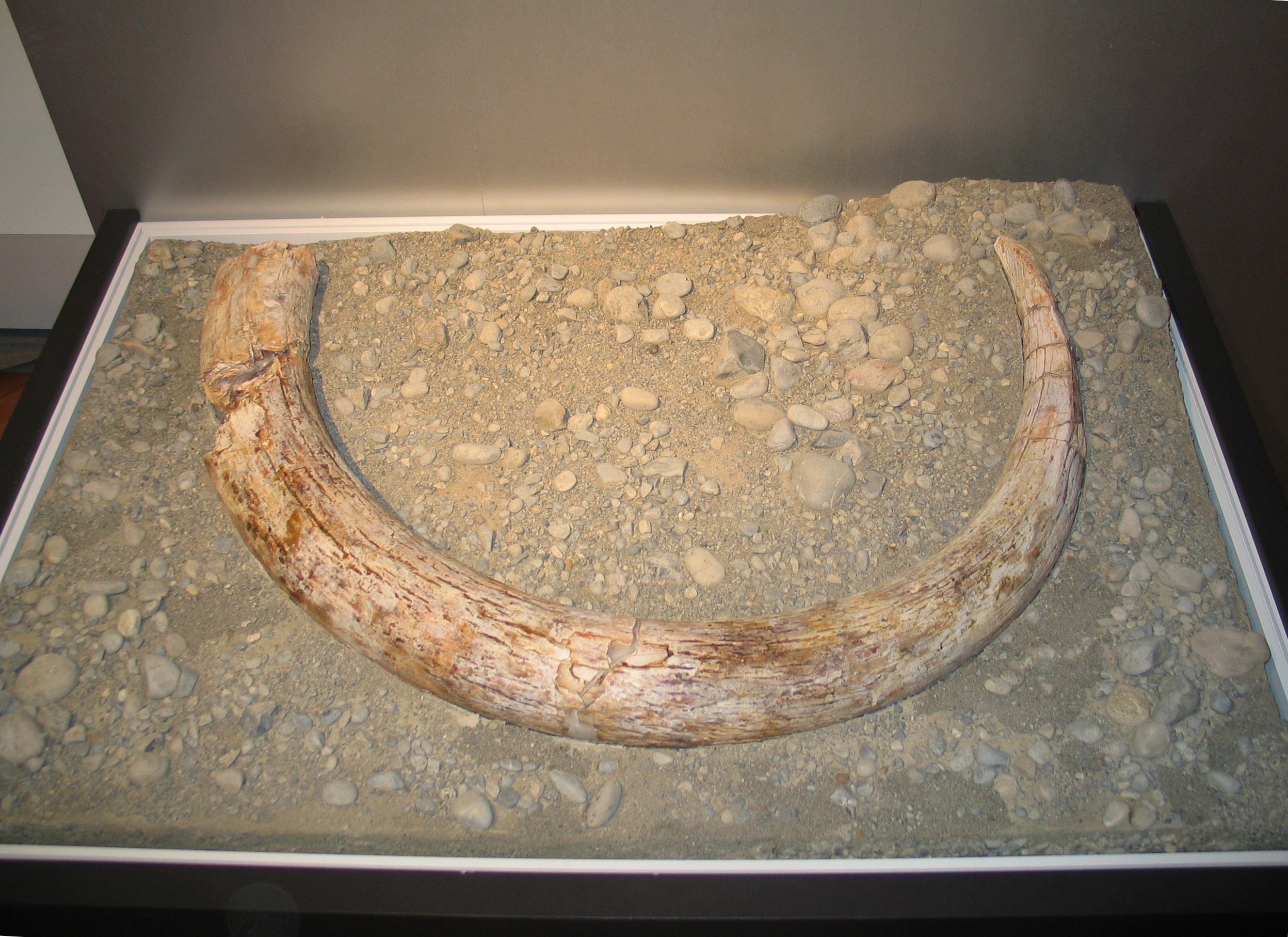
The PEG-consolidated tusk from Balwil (CH) on display. It is 141 cm long.
Mounting subfossil skeletons harbours a great risk. The vast majority of mounted original Ice Age skeletons show cracks in the original substance and to the skeletal additions, which can be explained by the inadequate preservation of the bones and the different material behaviour to the additions and the mounting framework. The damage is particularly evident in historical mounts where the bones were drilled through or mounted with tight-fitting metal clamps.
Conclusion: A climate-controlled exhibition is necessary. Even though there may be a strong desire to show only originals, it is better to mount skeletons as casts because they are often partially completed. This responsible decision has several advantages. The original can be optimally stored and is available for scientific research. In addition, the plastic casts of the often large skeletons can be mounted in a self-supporting manner so that no disturbing support frames have to be placed on the outside of the bone. In the long term, this is also the more cost-effective and sustainable option, as restorations are much less likely in the future.
Subfossil material is often the stepchild of the collection: ‘They’re just trouble.’ With the right conservation and storage, however, they are very appealing witnesses to the not-too-distant past. A challenge worth taking on.
References on this topic:
1) Walders, M. (1983): Recovery, conservation, and restoration of Pleistocene vertebrate remains. – The taxidermist 29 (1): 1-18
Henßen, S. (2009): Experiences in the conservation of subfossil finds with polyethylene glycol (PEG). – The taxidermist 55: 42-56
all photos were taken by the author, except fig. 7-9 by Martin Walders.