

Museum-quality models
Henssen PalaeoWorkshop – experiencing history and nature
Experiences change perspectives – let’s realize new creative exhibition projects together.
Model making and fossil preparation
Expect museum-quality models and fossil preparation to meet your requirements
Fossils
Would you like to preserve fossil finds sustainably for science or your collection?
The Henssen PalaeoWerkstatt specializes in the conservation and restoration of fossil collections with a focus on the Ice Age. I only use methods that are recognized in restoration and preparation.
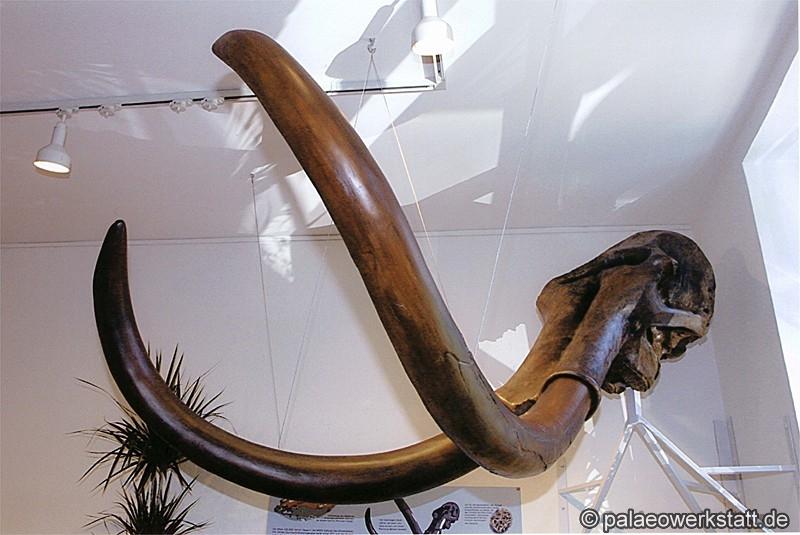
Fossil preparation
Professional conservation and restoration, even for larger objects and finds

Skeletal reconstructions
Receive skull and skeleton casts or skeletal reconstructions
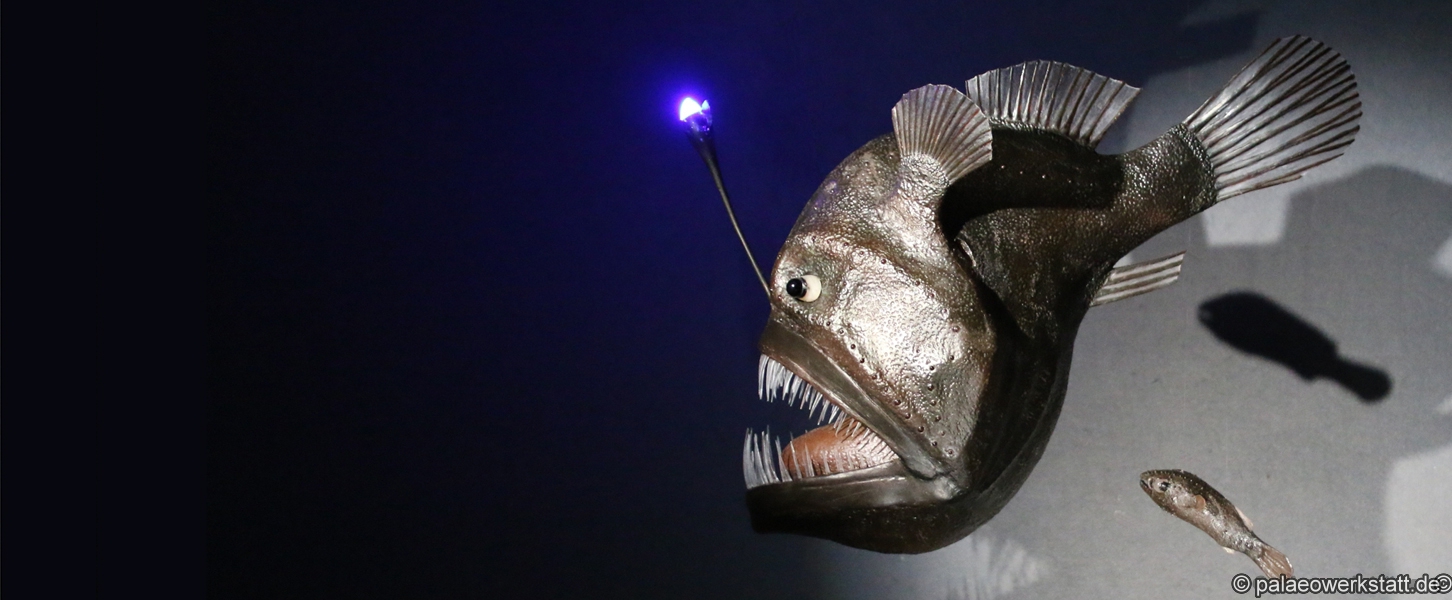
Model making in museum quality
Use my models to present scientific or cultural-historical contexts and create impressive experiences for disabled visitors.
My workshop also offers modelling of scientific objects as tactile models for the visually impaired.
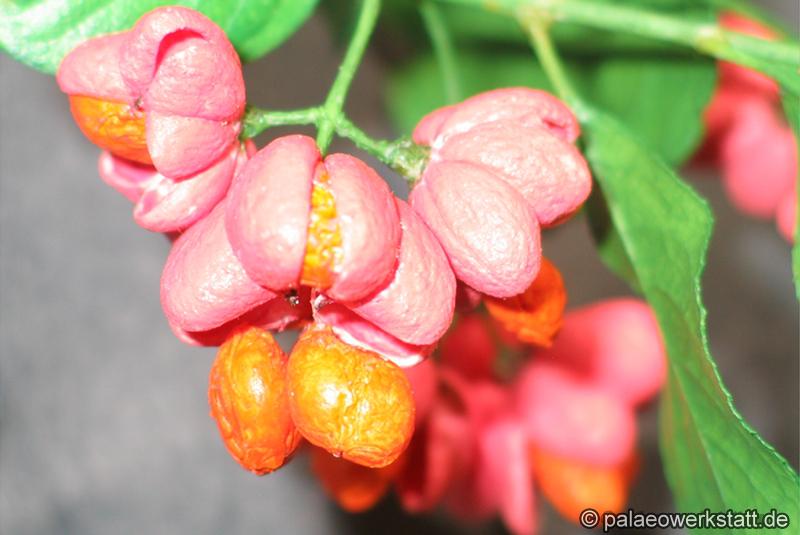
Museum-quality modelling
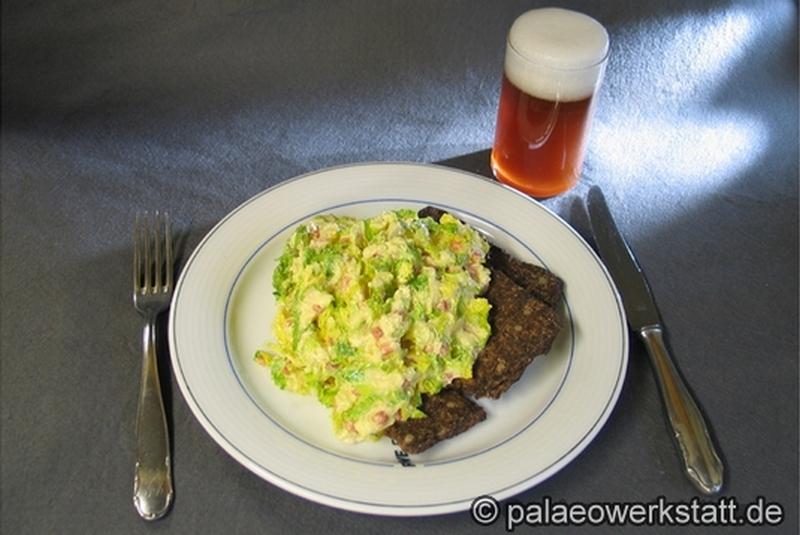
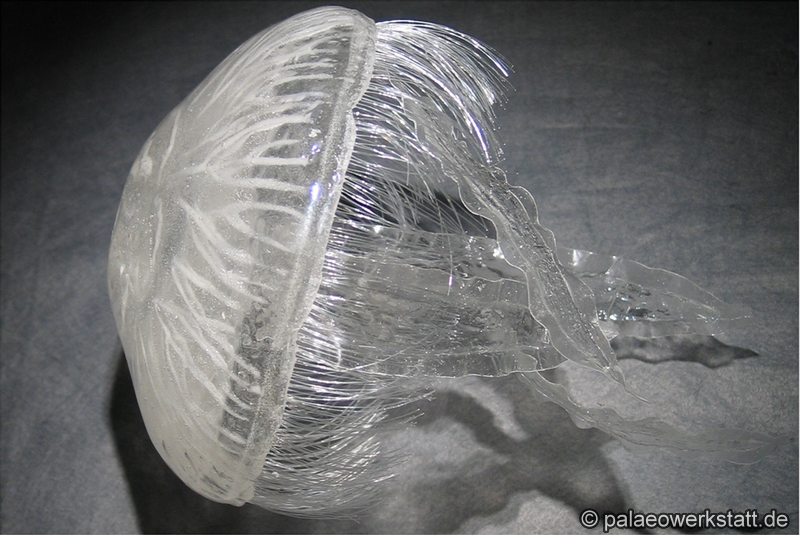
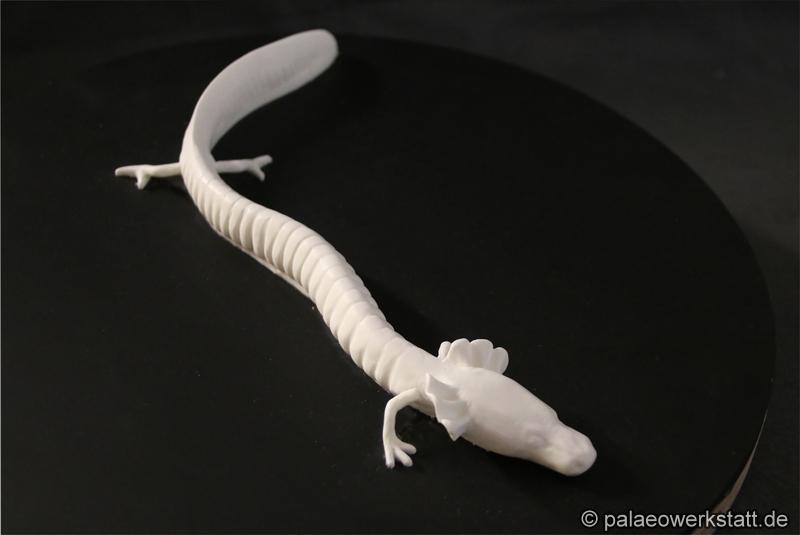
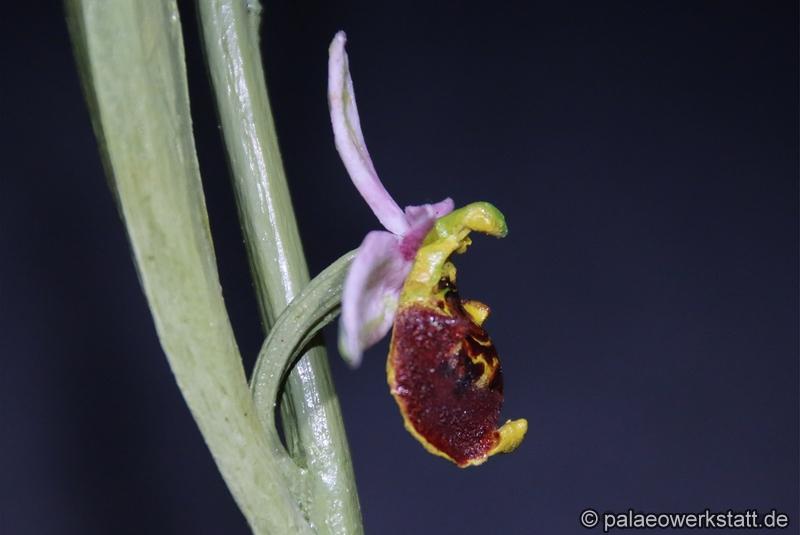
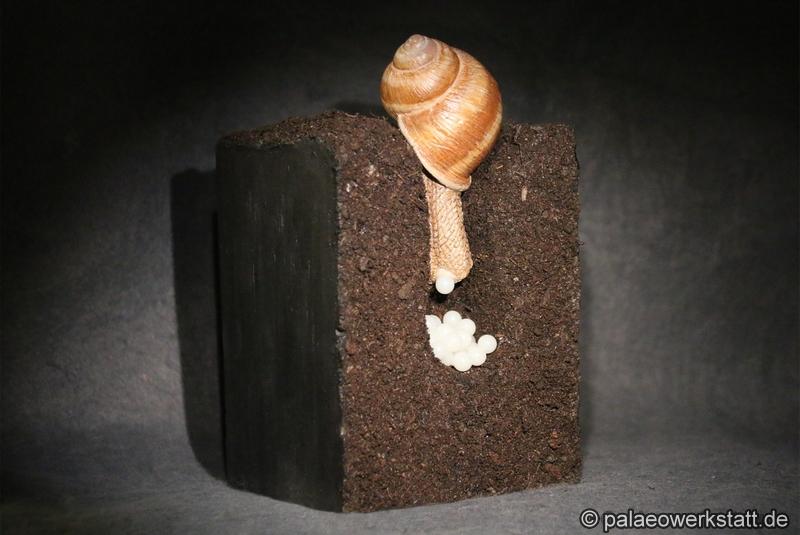
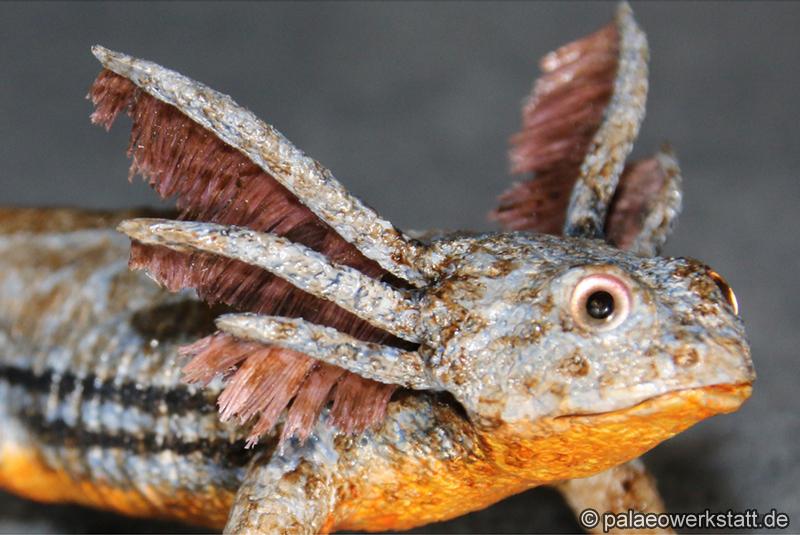
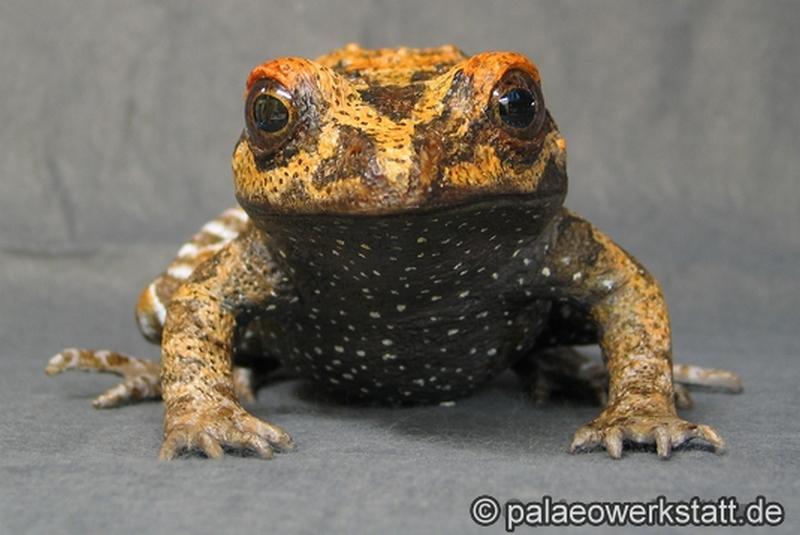
Lifelike replicas of animals, plants or foodstuffs
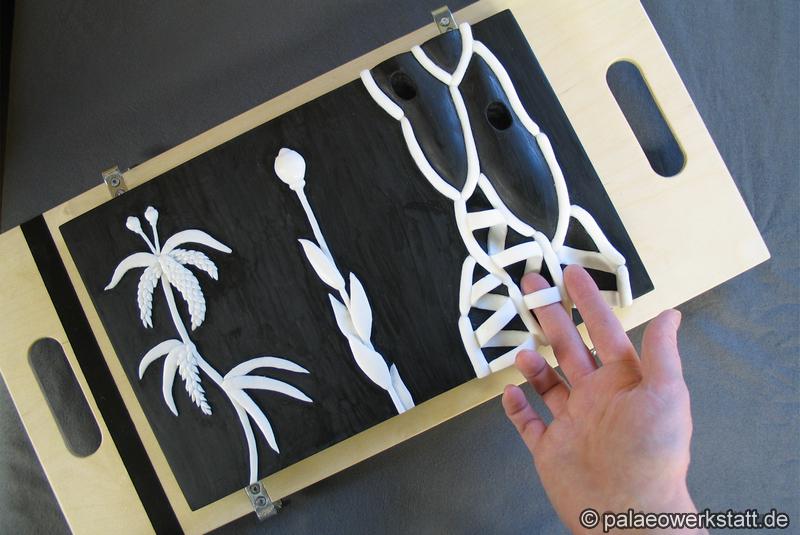
Tactile models
Make the world tangible.
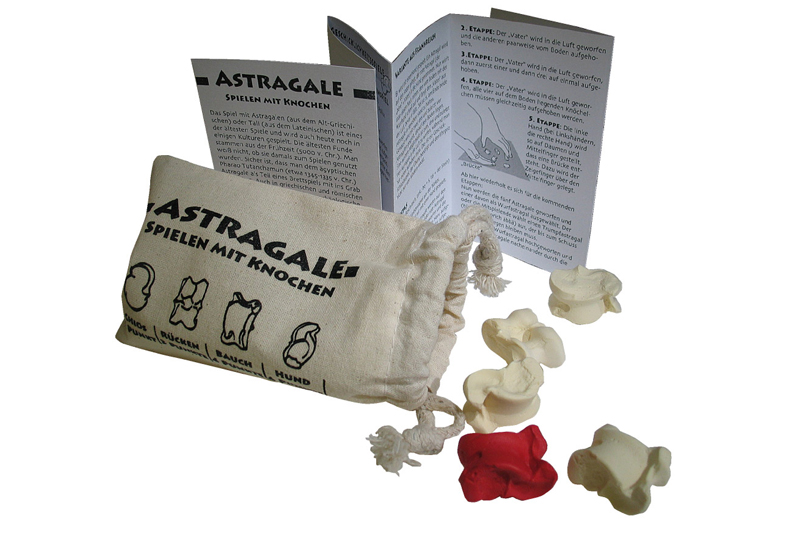

5 bones and more than 1000 game ideas
My favourite project because the game offers so many possible uses and builds bridges.
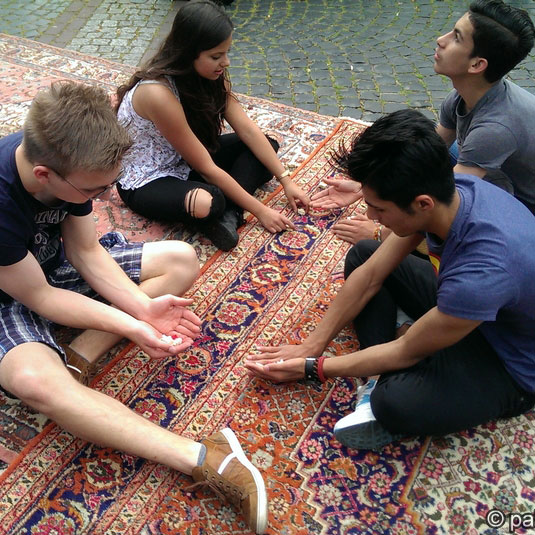
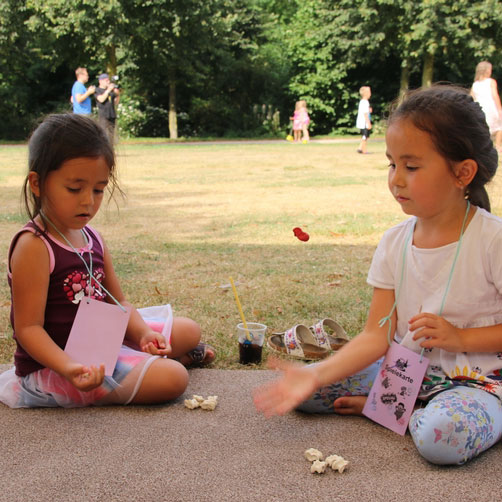
It takes practice and skill, but the games of skill, guessing and dice with Astragale have been passing the time with lots of fun for children and adults for thousands of years. The game: analogue, for outdoors and indoors, fits in every pocket, unusual, countless game variations with an addictive factor.
Languages are not important: The game is already known in many cultures and connects people across language barriers.
Old fossil collections, interdisciplinary exhibitions, inclusion, etc. – what is possible?
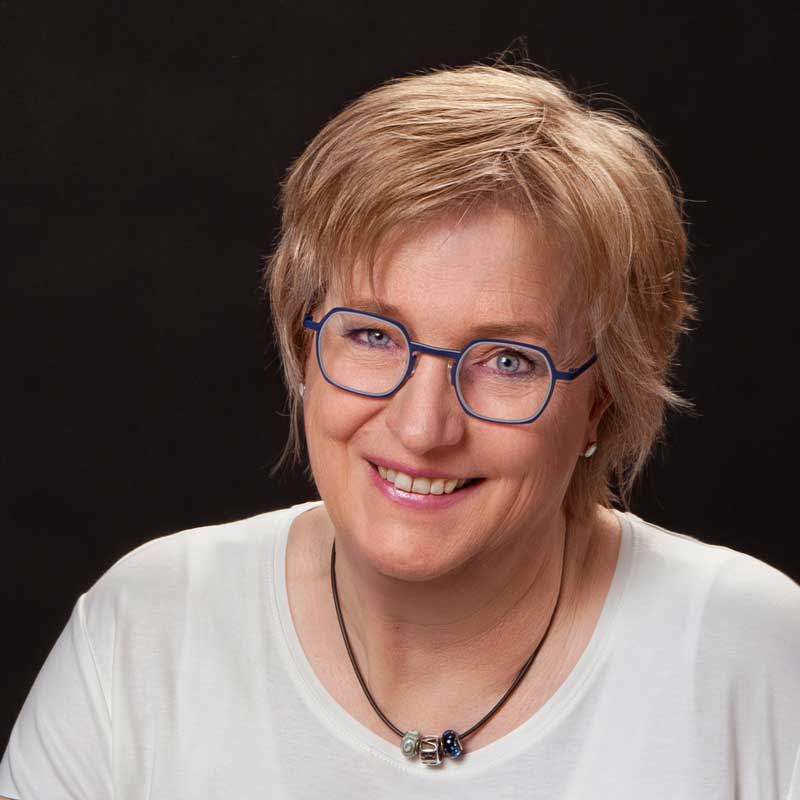
I am Susanne Klein: in me you will find a competent, experienced contact person who is happy to take the time and stay in close contact with you from the beginning to the end of your project.
I will develop customised concepts for you within your budget and local conditions. Together we will find the optimum technical and conservation solution and implement it professionally.
Frequently Asked Questions
Can models be borrowed from you?
No, we don’t usually lend out models because I don’t have most of them in stock. Most of them are customised models that are adapted as required. Models that we lend out are marked in our catalogue.
Do you prepare animals and plants?
No, but I work together with zoological colleagues to realise special projects, such as small dioramas with models and specimens.
Do you make skeletons of today's living animals?
No, but I would be happy to recommend a zoological colleague. Or have a look yourself at the German Society for Taxidermy.
I have a dead animal that I would like to have taxidermised. What should I do?
Animals are often subject to species protection. Specially or even strictly protected animals may not be removed from the wild even after death, even if the kingfisher has flown into your window pane. Taxidermy of a protected species is only legal for research and teaching purposes with a special taxidermy licence from your local authority. Find out about the protection status at WISIA
As a general rule, the dead animal should be immediately sealed in a plastic bag and quickly frozen.
If you are looking for a professional taxidermist to prepare or preserve your animal, please search for taxidermists on the website of the Deutsche Gesellschaft für Präparationstechnik e.V. (German Society for Taxidermy).
Do you also make casts?
We have a great deal of experience in the careful production of moulds, even for very delicate fossils, and in making deceptively realistic casts from various positive materials.
Depending on the later destination, we make positive casts from concrete, plaster, various plastics, some of which are reinforced with glass fibre, e.g. epoxy resin, polyester resin, polyurethane, which are then coloured by hand to match the original.
The casts are suitable for exhibition purposes as well as for scientific processing.
Is it possible to do a work placement with you?
No, because it’s important to me that pupils or volunteers gain experience and are supervised themselves and not just allowed to watch all day. Unfortunately, I don’t have the time for that. Better ask at your nearest museum.
Do you train?
No, I don’t train people. I’m too specialised for that.
However, you can do a state-recognised training course to become a preparation assistant for geosciences at the Walter-Gropius-Berufskolleg in Bochum.
Do you deal in fossils?
No, we do not deal in fossils. However, we can prepare and preserve your purchased fossils.
I want to buy a fossil. What should I look out for?
Ask questions and trust your common sense. Look at the fossil personally under a magnifying glass. Fossils are not catalogue goods. They are not made rarer or more valuable by windy stories about finding circumstances and rarity.
As a general rule, if you want a fossil to have scientific value as well as look beautiful, you should know the exact location, age and finder of the fossil. Do not accept certificates, as they usually only look legitimate and have no legal relevance. Fossils that have already been prepared should be supplied with a preparation report detailing the preparation measures and the materials used. Should restoration be necessary at a later date, this information is worth its weight in gold.
Talk to the dealer. A reputable dealer will be happy to answer the following questions.
Where does the piece come from; location, age and finder?
Is it an original or a cast, are there any additions?
If it has been prepared, it is possible to obtain a preparation report with the measures carried out and the materials used.
I have found a fossil, what now?
Tip: Correct behaviour when finding a fossil
In Germany the laws on the protection of archaeological monuments vary from state to state. If you find fossils, you should first find out about the local regulations before excavating them. They depend on the place of discovery. Report the find to the Lower Monument Authority in the local authority or the building inspectorate. Unfortunately, the responsible authorities do not always know the facts, which is why it is advisable to contact a larger museum with a geological department in the federal state where the find was made or the responsible state office. The expert named to you can then decide whether the find is of public interest or not. If necessary, he or she can record the necessary find data, which is part of the scientific description of an object and which can be important for determining the age of the find, for example. This data increases the value of a find. They should also be able to inform you about the next steps.
The authorities are usually very busy, so it often takes a long time to get a response. Report the find in writing, possibly with a photo, so that you have proof. Be patient and do not dig where it is not allowed. In most cases a good agreement can be reached.
If you have already excavated the fossil because you were unaware of the legal situation or could not wait, be sure to report the find later, giving as precise details as possible of where it was found. In case of doubt, a late report is better than no report at all.
No general advice can be given for the treatment of a fossil after it has been recovered. As a general rule, do not wait long to prepare the fossil, because as soon as it has been removed from its environment, which has preserved it for thousands of years, decay can set in. If possible, leave the fossil as it is, i.e. no cleaning, no watering, no drying. Wrap it up in an airtight bag and store it in a cool, dark place. Seek advice from a specialist. I will be happy to advise you.
What is special about tactile models?
Tactile models are specially adapted to the needs of the visually impaired. A good detailed cast or an enlarged 3D print is not the same as a good tactile model. Good tactile models offer clear shapes, reduced structures, adapted sizes and, in my opinion, additional information to what you can see. The aim is to provide informative added value for sighted people too. Tactile models should be seen as part of the concept and not as a nice-to-have. Read more about this in the blog: Tactile models – requirements for the content concept and implementation from the model maker’s perspective.